
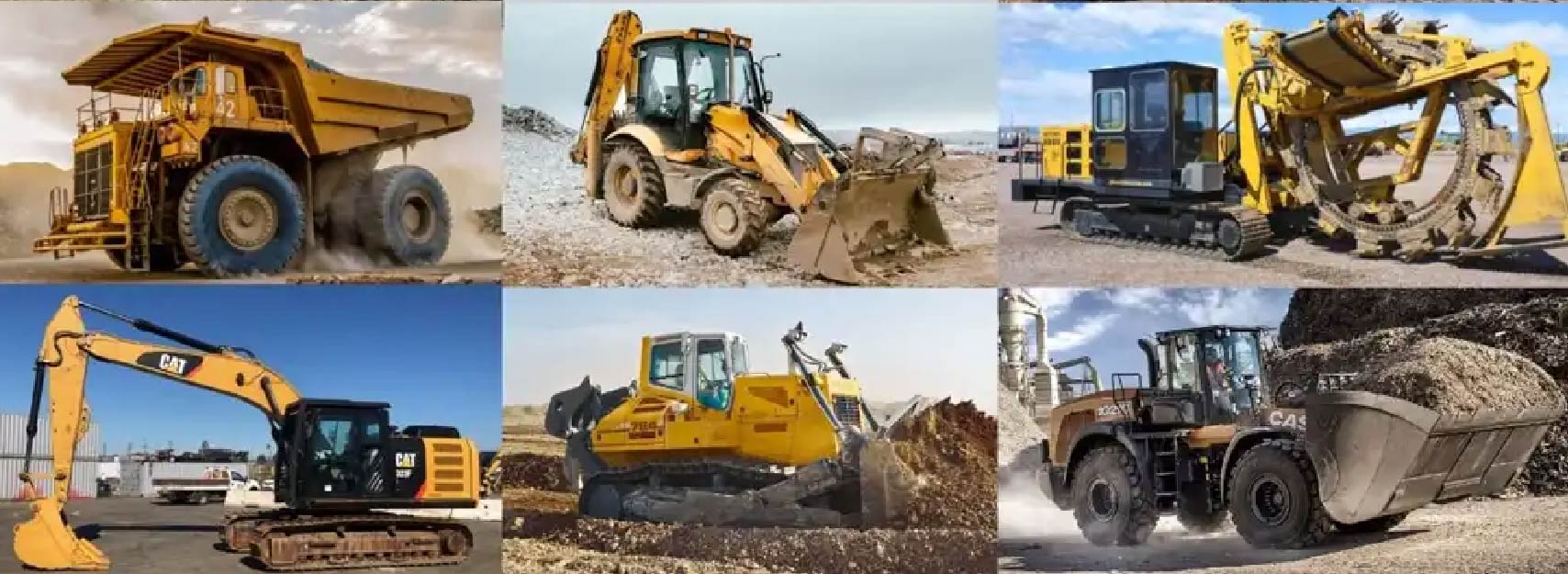
If you manage a fleet or heavy-duty operation, you have likely felt the shift over the past few years. Replacement cycles are getting longer. Capital expenditures face greater scrutiny. Equipment that once would have been retired at 500,000 miles is now being pushed well beyond that mark. In this environment, maintenance is no longer just an operational function. It is a financial strategy.
Chevron’s Outlook for 2026: Trends We’re Watching in the Year Ahead reflects what many operators are experiencing firsthand. Across heavy-duty and industrial sectors, the central theme is clear: optimize and extend service life. In an inflationary economy marked by uncertainty, deferring the replacement of expensive trucks and industrial equipment is often the most practical lever available to control costs.
But extending service life does not happen by default. It requires deliberate protection.
The New Priority: Protect What You Already Own
If the goal is to delay major capital purchases and maximize the value of existing assets, the focus must shift to uptime and reliability. In California, that is easier said than done.
Equipment in this region works hard. Heat accelerates oxidation. Mountain grades place sustained stress on engines and drivetrains: agricultural dust and job-site contamination infiltrate systems. Municipal fleets operate in constant stop-and-go traffic. Construction units run under heavy loads for extended periods. Most businesses do not have the luxury of removing equipment from rotation for extended downtime. The job has to get done. That reality makes lubricant quality increasingly critical.
With the right lubrication strategy, aligned to how equipment is actually used and the conditions it operates in, businesses can protect their investment, slow wear, and defer costly repairs or replacements. Without that strategy, extending service life becomes a gamble.
Trend One: Cleanliness Is a Performance Strategy
One of the strongest themes heading into 2026 is cleanliness. Lubricant cleanliness can no longer be an afterthought. From proper storage practices that prevent contamination, to routine oil analysis that monitors fluid condition, operators are focusing on keeping their lubricants and equipment as clean as possible to protect performance.
Varnish buildup in hydraulic and turbine systems is receiving particular attention this year. Varnish rarely announces itself dramatically. It forms gradually, restricting flow, increasing operating temperatures, and affecting valve response. Over time, it shortens component life and increases the risk of unplanned shutdowns. For heavy-duty equipment that is difficult and expensive to remove from service, varnish-related inefficiencies can quietly erode productivity.
Chevron’s VARTECH® Industrial System Cleaner can help. It is designed to stabilize and help remove varnish and sludge deposits, reduce filter clogging, and extend the time between system cleanings. When systems are cleaned while remaining operational and then transitioned to varnish-resistant fluids, operators can protect equipment without sacrificing production time. That difference counts, especially in 2026, when cleanliness is not just a maintenance philosophy. It is a cost-control strategy.
Equipment Is Aging Across Industries
Chevron’s Outlook notes that passenger vehicles reached an average age of 12.8 years in 2025, according to S&P Global data. That same pattern applies to commercial fleets. Businesses are holding onto their vehicles and heavy-duty equipment longer than originally planned. But that choice has consequences because, as equipment ages, lubrication demands intensify. Oxidation stability matters more. Soot control becomes more important. Deposit management becomes essential. A lubrication approach that worked early in an engine’s lifecycle may require refinement as mileage accumulates.
That’s why monitoring fuel system cleanliness is so important. Deposit buildup in injectors can reduce efficiency and performance in high-mileage engines. Choosing the right lubricants to support higher mileage is key, as is regular oil analysis monitoring to gain insights into your equipment performance and lubricant strategy. With both tools in place, keeping higher-mileage vehicles and equipment running is much easier.
The Shift Toward Synthetic and Synthetic Blends
Another consistent theme in Chevron’s 2026 outlook is the steady shift toward synthetic and synthetic blend heavy-duty oils. For decades, conventional 15W-40 was the industry standard. It was familiar, dependable, and readily available. But engines have changed, operating conditions have intensified, and expectations around efficiency and longevity have evolved with them.
Today’s synthetic and synthetic blend formulations are engineered to handle sustained high temperatures, maintain viscosity under heavy loads, and support incremental fuel efficiency gains. In California’s operating environment, where heat, traffic congestion, and long-haul grades are part of daily reality, those performance advantages are not theoretical. They directly influence uptime and durability.
As a result, the conversation for fleet managers is gradually shifting from price per gallon to cost per mile. The question is no longer, “What does this oil cost?” but rather, “What does this oil allow my equipment to do over time?” When evaluated through that lens, higher-performing lubricants often justify their investment. Supported by oil analysis, synthetic and synthetic blend oils can help extend drain intervals, manage wear in aging equipment, improve fuel efficiency, and reduce unplanned maintenance events. For operators focused on extending service life, stronger fluid performance becomes a margin-protection strategy rather than an added expense.
Aftertreatment Protection Remains Critical
Another significant concern many operators are focusing on this year is aftertreatment systems. These systems are crucial for reducing emissions, which is important in a market as heavily regulated as California. But diesel particulate filters in aftertreatment systems are expensive and sensitive. They clog easily with ash and can be a significant headache for maintenance. To maintain these systems and prevent filter blockages, many operators are opting for ultra-low ash formulations, such as Chevron’s Delo 600 ADF, which was developed specifically to reduce ash accumulation in DPF systems, helping minimize backpressure and maintain system efficiency over time.
Making the switch to ultra-low ash products can be an investment, but more fleet managers and businesses are taking the plunge. Lower ash content can translate into fewer forced regenerations, longer cleaning intervals, and fewer maintenance interruptions. As equipment is kept in service longer and total miles accumulate, preserving aftertreatment performance becomes less about compliance alone and more about protecting uptime, controlling maintenance costs, and sustaining operational reliability.
A Strategic Approach to 2026
As you set priorities for the year ahead, lubrication should be part of a deliberate strategy, not a series of reactive decisions. The pace of technical change can be distracting, but long-term performance is rarely driven by chasing every new development. It is driven by focusing on the fundamentals that protect your assets.
For many California fleets, that starts with a few core priorities: maintaining lubricant cleanliness, especially for varnish issues; evaluating where synthetic or synthetic blend oils make sense; and protecting aftertreatment systems with ultra-low ash formulations. These are not trends for the sake of trends. They are practical levers that directly influence uptime, maintenance costs, and equipment longevity.
By identifying the lubrication priorities that align with how your equipment actually operates, and building a strategy around those needs, you create stability in an otherwise uncertain environment. When capital investment in new equipment is challenging, a disciplined lubricant program becomes one of the most effective tools available to keep aging assets productive, efficient, and profitable.
How Greg’s Petroleum Can Support Your Business
Greg’s Petroleum Service works alongside fleet managers, construction companies, municipalities, agricultural operators, and more across California. We see firsthand how economic pressures are reshaping maintenance decisions, and we want to help our customers during challenging times. That’s why, as a Chevron 1st Source Elite Lubrication Marketer and as your Chevron Lubricants Supplier, we provide access to their high-quality lubricant product line to help your business meet these challenges.
With our help, you can find the right lubricant products to align with your strategy and equipment goals for this coming year. So if you’re reviewing your fleet strategy for the coming year, now is the time to ensure your lubrication program aligns with your long-term service life goals. Greg’s Petroleum Service is here to support that conversation. In today’s operating climate, longevity is not just about maintenance. It is margin protection.