
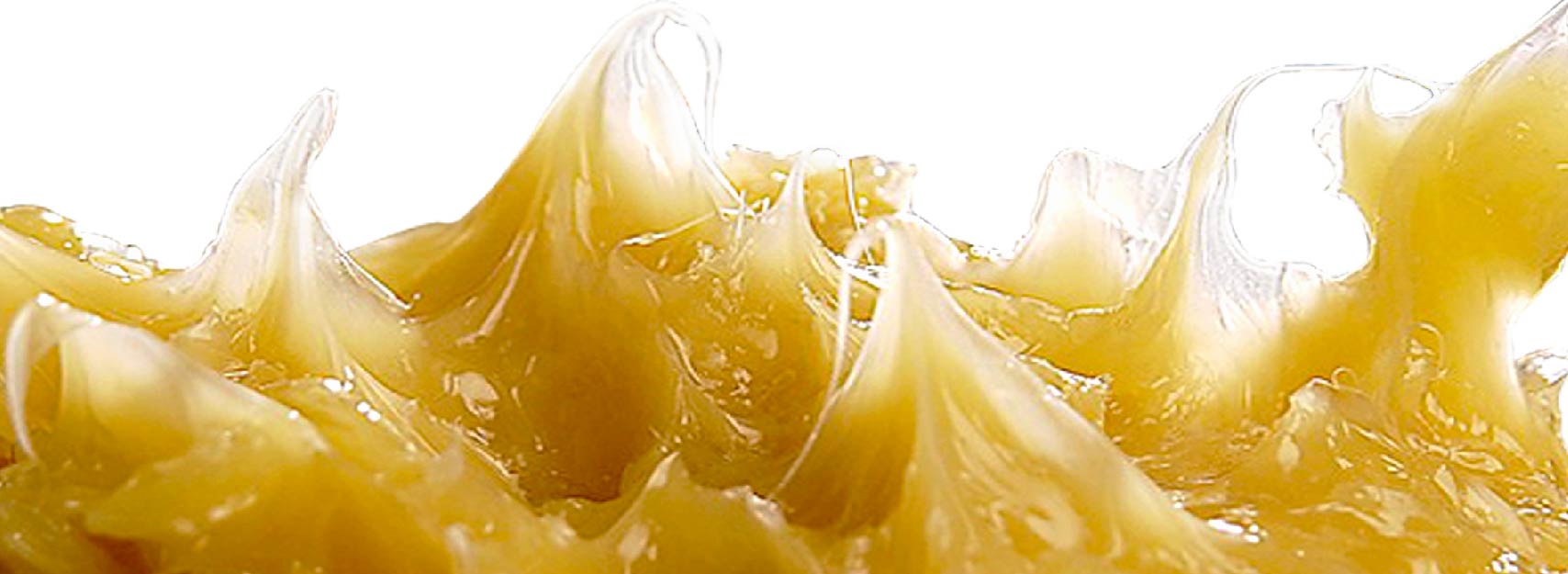
Grease is easy to overlook. It sits in the background of your maintenance program, doing its job quietly while most of the attention goes to engines, hydraulics, and fuel systems.
But for heavy-duty operators and fleet managers, grease selection is not a small decision. It directly affects component life, uptime, and how well your equipment performs under load.
Spring is typically when many operators make a grease change. As temperatures rise, it’s common to shift away from softer, winter-grade products toward greases that can handle higher heat and heavier workloads. The challenge is that this changeover often happens quickly, without a clear plan. That’s where problems start.
In a state like California, where equipment operates across extreme conditions and demanding environments, taking a more intentional approach to your spring grease transition can make a measurable difference in performance and reliability.
What NLGI Grades Actually Mean
The key difference between greases comes down to NLGI rating, which measures consistency, essentially how soft or firm the grease is. This is determined by testing, and the difference is not in oil quality, but in the amount of thickener used.
An NLGI 2 grease is thicker and more stable. It is the standard for most heavy-duty applications because it stays in place under pressure, making it ideal for bearings, pins, bushings, and high-load components.
- An NLGI 1 grease is softer and flows more easily. It moves faster through systems and reaches lubrication points more quickly, especially during startup or in systems where pumpability matters.
Why This Matters in the Real World
In Southern California and across the West, grease selection is less about cold weather and more about heat, load, and contamination.
Most operations rely on NLGI 2 grease because it performs well under high temperatures, sustained loads, and long operating hours. It stays where it needs to stay, which is critical when equipment is running all day in construction zones, agricultural fields, or municipal environments. However, some do use an NLGI during cooler months and switch when temperatures begin to rise.
This changeover is when issues may occur. A grease that performs well in cooler months can become too fluid as temperatures rise. Softer greases can lose structure in higher heat, leading to leakage and reduced protection. Once grease leaves the lubrication point, metal surfaces are exposed, and wear accelerates.
In dusty California environments, this becomes even more problematic. Leaking grease attracts dirt and debris, creating an abrasive paste that speeds up component failure.
When a Softer Grease Still Makes Sense
But do you have to make the switch if temperatures are rising? No always. There are some situations where a softer grease remains the better option. For example, if you are running automated or centralized lubrication systems, especially those with long lines or narrow passages, a thicker grease can create resistance. This can lead to inconsistent delivery or blocked lines.
A softer grease flows more easily through these systems, helping ensure that lubrication points actually receive coverage. In these cases, the decision is less about temperature and more about system design. Keep this in mind if it applies to your equipment needs.
Try Synthetic Greases in California’s Heat
The most effective grease strategy is not about choosing one grade over another. It is about aligning grease selection with how your equipment operates. You should consider your operating temperatures, load intensity, lubrication system design, and exposure to contaminants when choosing grease products. If you’re looking for more stability, which is especially helpful for fleets operating across California’s varied environments, synthetic greases can offer an advantage. They maintain flow at startup while maintaining their structure under high heat, making them well-suited to wide temperature swings.
Grease Compatibility: The Overlooked Risk During Changeovers
One of the most common and costly mistakes during spring grease transitions is mixing incompatible products. Unlike oils, grease compatibility is primarily determined by the thickener type. According to Machinery Lubrication, mixing greases with different thickeners can significantly alter consistency, stability, and performance. In practical terms, two greases that perform well on their own can break down when combined.
Compatibility is typically classified as compatible, incompatible, or borderline. The challenge is that modern grease formulations have become more complex. Lithium, calcium sulfonate, and polyurea systems do not always behave predictably when mixed. In some cases, when different formations are mixed, grease can soften, harden, or separate, leading to loss of lubrication.
Because it is nearly impossible to remove all old grease from a system, switching products without a plan can create risk. When making a grease change, it is best to purge as much of the old product as possible and verify compatibility before introducing a new one.
The Risk of Getting It Wrong
Grease-related issues rarely show up immediately. Instead, they build over time. A grease that is too stiff may not reach components effectively. A grease that is too soft may not stay in place. An incompatible mixture may lose structure entirely. These issues could lead to increased wear, higher operating temperatures, premature failure, and more frequent maintenance. For operators trying to extend equipment life, these small issues can quickly turn into costly problems.
A Smarter, Preventive Approach
A strong grease strategy is not just about product selection. It is about consistency, monitoring, and informed decision-making. That means reviewing grease selection based on actual operating conditions, monitoring for leaks or contamination, and confirming compatibility before making changes. One of the most effective tools to support this process is regular oil and lubricant analysis.
Oil analysis that utilizes routine equipment sampling is one of the best ways to monitor for contamination, identify wear metals, and evaluate lubricant condition across your equipment. The analysis can provide early insight into potential issues, allowing you to address them before they lead to downtime.
Greg’s Petroleum Service Inc. offers oil analysis to help operators take a more proactive approach to maintenance. With real data from your equipment, you can make better decisions about grease selection, change intervals, and overall lubrication strategy.
The Bottom Line
Grease may not get the same attention as other parts of your maintenance program, but it plays a critical role in protecting your equipment. As we move into the spring season, taking a more deliberate approach to grease selection and changeovers can help prevent avoidable wear, reduce downtime, and improve overall performance.
If you are reviewing your grease program or planning a seasonal transition, we are here to help. From sourcing the right products to supporting your operation with oil analysis and preventive maintenance insights, our team works alongside California fleet managers and operators to keep equipment running reliably year-round. With our help, you can craft a more intentional grease strategy today to ensure your equipment is ready for the demands of spring and the heat of summer ahead.