
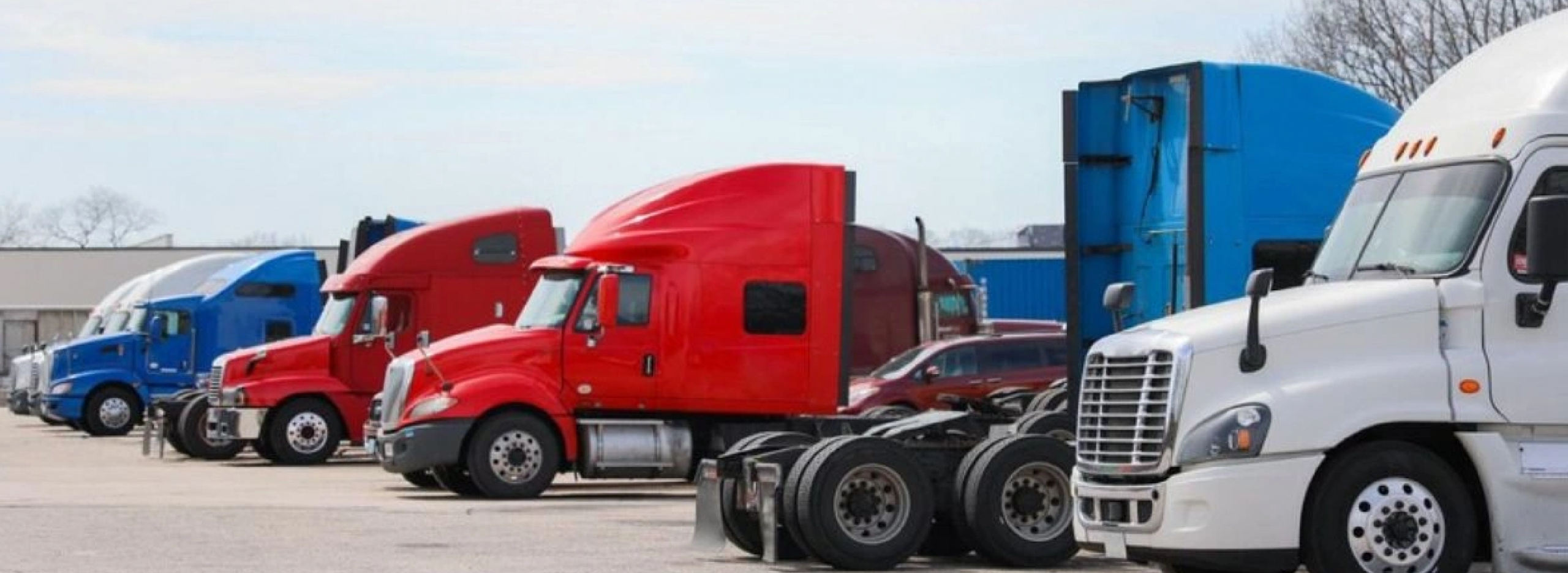
When we sit down with our customers, the conversation usually starts with a checklist. We talk about oil change intervals, filter prices, and hours logged on a tractor. It’s the standard “preventive maintenance” talk. It’s the work that keeps a delivery truck from being sidelined when there’s a deadline to meet.
But here is the reality that often gets missed: Fuel isn’t just a commodity you pour into a tank. It is a critical, functional component of your engine’s maintenance program.
At Greg’s Petroleum Service, we’ve been on the ground for over 60 years. We’ve seen engines torn down to the block because of “small” issues that started at the fuel island. When your fuel strategy and your maintenance schedule aren’t aligned, you aren’t saving money; you’re just deferring a much larger bill. For those in agriculture, construction, and heavy trucking, understanding this connection is how you protect your equipment and your livelihood.
Maintenance is More Than a Calendar Date
Most maintenance programs are based on rigid intervals of 500 hours or 5,000 miles. While those numbers are important for staying within manufacturer specs, real maintenance is about risk management.
Heavy equipment rarely fails without warning. It doesn’t just “quit” because it’s tired. It wears down. Contaminants build up. Tolerances get loose. If the fuel going into your machines is inconsistent, contaminated, or of poor quality, you are essentially asking your engine to work with one hand tied behind its back. That stress eventually manifests in your oil samples and your repair bills.
There’s a certain kind of perseverance required to run an operation out here. You put in the hours, you work with your hands, and you expect your gear to do the same. But perseverance shouldn’t be confused with “making do” with subpar supplies. If you aren’t looking at the quality of what’s in your bulk tanks, you’re sabotaging the very hard work you’re trying to accomplish.
The Hidden Enemies: Dirt, Water, and Time
In a perfect world, fuel would stay pristine from the refinery to the fuel injector. But we live in the real world. Between transport and on-site storage in dusty, humid, or high-heat environments, things get messy.
Water intrusion, microbial growth (fuel “algae”), and simple California dust are the primary culprits. They don’t always cause a total engine failure on day one. Instead, they give you a slow, expensive drain on your resources:
- Clogged Filters: If you’re changing filters way ahead of schedule, don’t blame the filter. It’s doing its job; your fuel isn’t doing its part.
- Injector Erosion: Modern high-pressure common rail (HPCR) engines have tolerances measured in microns. A microscopic piece of grit acting like a sandblaster can ruin a $1,000 injector in no time.
- Heat and Efficiency: When fuel isn’t clean, it doesn’t burn right. Engines run hotter, they work harder, and they burn more “juice” to do the same amount of work.
For our local partners in Ag and Construction, this is even more pronounced. When you’re pushing through a 110-degree Kern County afternoon, your equipment is already at its limit. A reliable, clean fuel supply gives your fleet the stable foundation it needs to actually survive the season.
The “Marriage” of Fuel and Lubrication
At Greg’s, we often tell our clients that fuel and oil are deeply “married.” You can’t change the behavior of one without affecting the other. As a Chevron 1st Source Elite Lubrication Marketer, we spend a lot of time looking at the “chemistry” of the work.
When fuel doesn’t burn cleanly due to poor quality or a lack of the right additives, it creates soot and residue. In a hardworking engine, that soot doesn’t just go out the exhaust. It migrates past the rings and into your engine oil. This leads to fuel dilution.
Fuel dilution thins your oil, reducing its ability to protect the moving parts of your engine. Even the highest-quality Valvoline or Chevron lubricant can’t do its job if it’s being diluted by poor fuel. It’s a chain reaction: bad fuel leads to bad oil, which leads to a seized engine.
Data Over Guesswork: The “Blood Test” for Your Fleet
The best way to see if your fuel and maintenance are actually working together is through Oil Analysis. We view it as a blood test for your machinery. Instead of guessing why a part failed or wondering if you can push an extra 50 hours out of a machine during harvest, you get hard data.
Through the analysis programs we facilitate at Greg’s, we look for:
- Wear Metals: Finding tiny traces of iron, copper, or lead that signal a component is about to fail.
- Contamination: Detecting water or soot before they cause a catastrophic breakdown.
- Viscosity: Checking if your oil is still thick enough to protect your engine.
If we see high soot levels, we don’t just tell you to change the oil. We look “upstream” at the fuel and the combustion. We want to fix the root cause, not just treat the symptom. That’s the difference between a supplier and a partner.
Impactful Motivation: The Discipline of the Grind
There is a specific kind of satisfaction that comes from working with your hands, fixing what’s broken, and building something that lasts. We respect that. We also know that out here, talk is cheap. You either did the work or you didn’t.
We aren’t fans of “flowery” motivational posters. We prefer the motivation that comes from seeing a fleet run perfectly through the toughest month of the year. It’s the discipline to do the small things right, like testing your tanks and choosing the right lubricants, even when it’s easier to cut corners.
Real strength isn’t about hoping for a lucky break; it’s about building a foundation that can’t be shaken. In this business, that strength comes from preparation. If you want your equipment to withstand the heat and dust, you have to give it the fuel it deserves.
Small Problems, Big Costs
A filter that clogs a little early or an engine that burns 3% more fuel might not seem like a crisis on a Tuesday morning. But when you’re managing twenty trucks or a dozen tractors across the valley, those “small” inefficiencies add up to thousands of dollars in lost profit every month.
The most successful operations treat fuel, lubrication, and maintenance as one single system. They know that “cheap” fuel usually ends up being the most expensive thing they ever bought.
Where We Come In
At Greg’s Petroleum Service, we are a family-owned business. We know what it’s like to have your name on the side of the truck. We aren’t just a delivery service; we are a resource for the people who keep California moving.
Whether it’s managing your on-site tanks to prevent water buildup, providing top-tier Chevron lubricants, or setting up a private cardlock system for better tracking and security, we’re here to help you see the full picture.
Don’t just check the boxes on a maintenance sheet. Let’s make sure your equipment is as ready for the grind as you are. For gasoline supply service, and all other fuel and lubricant needs, call us today 661-535-4900.