
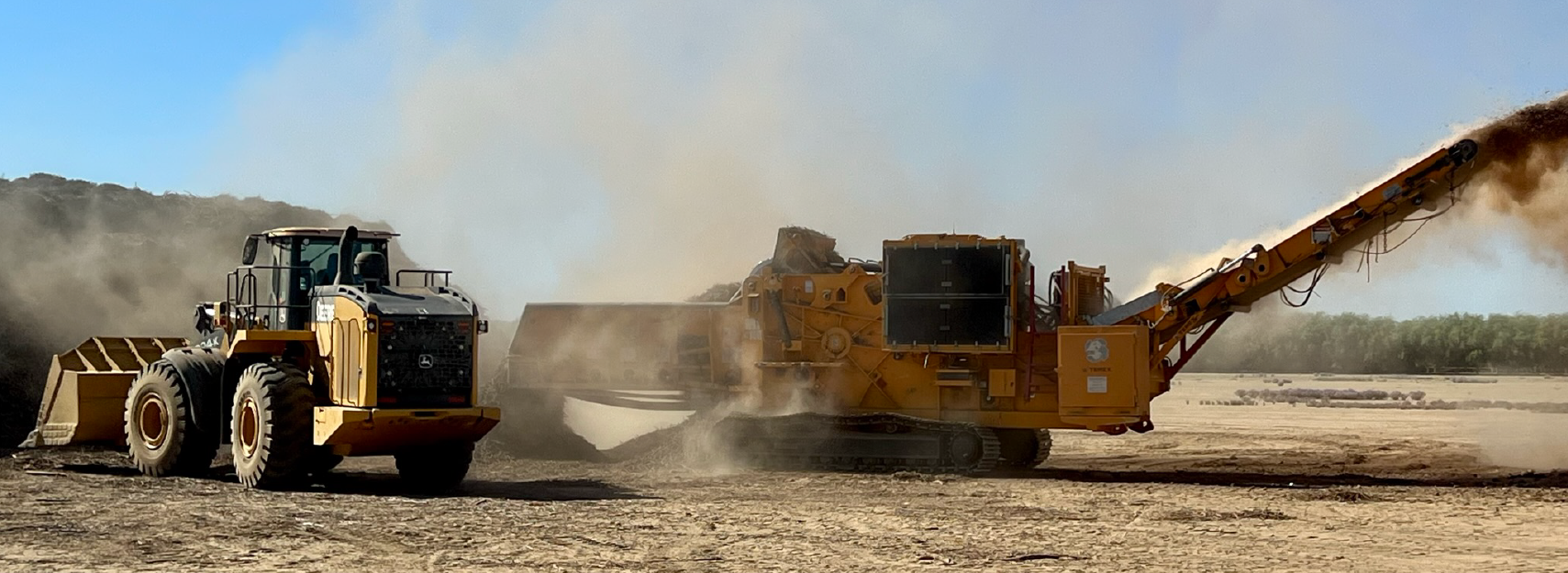
When you think about protecting your fleet and heavy machinery, your mind naturally goes to the basics: choosing the right viscosity grade, following scheduled maintenance intervals, swapping out filters, and completing routine walk-around inspections. All of these steps are essential to a healthy operational strategy. However, there is a critical aspect of equipment maintenance that often gets overlooked in the hustle of daily operations: keeping dirt, dust, and moisture out of your lubrication systems.
For Central California businesses that rely on heavy-duty assets, whether that means commercial trucking fleets, agricultural machinery, construction equipment, stationary generators, or industrial manufacturing facilities, contamination creates internal damage long before a major mechanical failure becomes visible. A small amount of airborne dust or ambient moisture might seem harmless on a busy job site, but inside a high-pressure engine, hydraulic line, or gearbox, those microscopic contaminants accelerate component wear, degrade fluid performance, and run up avoidable operating costs.
As a local, family-owned fuel and lubricant supplier, Greg’s Petroleum Service has worked alongside Central California businesses for decades. We know that equipment downtime is never just about the price of a repair part or a mechanic’s labor hour. Downtime means delayed jobs, missed delivery windows, a lost harvest season, or entire crews sitting idle while waiting for a machine to get back online.
That is why effective lubricant management deserves a closer look. True equipment protection requires going beyond the simple question of “Did we change the oil?” and asking “How clean is the oil running in our machines?”
Clean Lubricant Is the Foundation of Equipment Longevity
Engine oils, hydraulic fluids, gear oils, and greases are carefully formulated to reduce friction, dissipate heat, inhibit rust, and protect metal components under extreme pressure. But even the highest-grade synthetic lubricant will struggle to protect your machinery if it is contaminated with foreign particles.
Contaminants enter lubrication systems through several common pathways:
- Dirt and Airborne Dust: Fine grit enters through worn seals, open breathers, unsealed fill ports, or dirty dispensing equipment during fluid top-offs.
- Moisture and Humidity: Water enters through atmospheric condensation, exposure to rain and washdowns, or improper storage of drums and totes outdoors.
- Cross-Contamination: Using the same transfer container or funnel for different fluid types can introduce incompatible additive packages, degrading performance.
Once inside, these contaminants circulate continuously through the system. Abrasive dust particles grind against close-tolerance surfaces like bearings, pumps, and cylinder walls. Water emulsifies with the oil, accelerating oxidation, breaking down oil film strength, and causing internal rust. Industry experts at Chevron frequently point out that dirt, dust, and moisture are among the leading causes of hidden, cumulative equipment costs. Protecting your fluid cleanliness is directly equal to protecting your capital investment.
Why Contamination Control Matters in Central California
Operating conditions across the Central Valley and surrounding regions are demanding. Whether your equipment operates in the dust of agriculture during harvest season, the harsh soil of an excavation project, or the heavy start-and-stop cycles of regional freight, machines rarely operate in a clean, pristine lab setting.
- Agriculture & Seasonal Windows
For farming operations, timing is everything. Agricultural machinery operates in intensely dusty environments during tillage, planting, and harvesting. If fine particulate matter enters a tractor or combine’s hydraulic system, performance degrades quietly. A sudden hydraulic pump failure during a critical harvest window can result in significant financial loss beyond the immediate repair bill. - Construction & Heavy Civil Work
Excavators, loaders, and dozers move tons of earth daily. When dust and moisture enter these heavy-duty systems, tight-tolerance hydraulic valves suffer from premature scoring and leakage. The machine begins operating sluggishly, burning more fuel to complete the same work while increasing cycle times across the entire job site. - Commercial Fleet & Highway Transport
Trucking fleets operating across California put thousands of hard miles on their engines and drivelines. Condensation inside bulk storage tanks or service bay oil dispensers can introduce moisture directly into engine oil or transmission fluids. Over time, this leads to corrosion, sludge formation, and unexpected shop time that keeps revenue-generating rigs off the road.
Where Does Contamination Really Start?
Most fleet managers assume that contamination enters while equipment is actively working out in the field. While environmental exposure is a real risk, industry data shows that a significant amount of fluid contamination actually occurs during storage, handling, and maintenance procedures.
Think about the journey your lubricant takes before it ever reaches a machine’s reservoir:
- Delivery from the supplier into a bulk tank, tote, or drum.
- Storage in a shop, yard, or service truck.
- Transfer from the storage vessel into a portable container or jug.
- Pouring fluid into the machine via a funnel or dispensing hose.
Every single transfer step represents a potential contamination event. If a transfer jug is left uncovered, if a funnel sits on a dusty workbench, or if a bulk storage tank lacks a desiccant breather to filter incoming air, particulate matter and moisture enter the fluid before it ever turns a key.
Simple Steps to Improve Contamination Control
You don’t need to rebuild your entire maintenance facility to see significant improvements in fluid cleanliness. Implementing a few practical operational practices can yield immediate results:
- Upgrade Storage & Dispensing Protocols: Keep fluid drums and totes indoors or under cover whenever possible. Utilize dedicated, sealed transfer containers that prevent ambient dust from settling into the oil between uses.
- Install Quality Breathers and Filters: Outfit bulk storage tanks and heavy equipment reservoirs with desiccant breathers. These filter out fine airborne particles and absorb atmospheric moisture before it enters the fluid headspace.
- Practice Clean Handling During Maintenance: Ensure service technicians wipe down fill caps, dipsticks, and grease fittings prior to servicing. A simple wipe-down prevents surface dirt from being pushed directly into fluid reservoirs.
- Implement Oil Analysis and Condition Monitoring: Routine fluid sampling acts as an early warning system. Fluid analysis reveals particle counts, moisture levels, and wear metals long before mechanical symptoms appear, giving you time to schedule planned maintenance rather than reacting to a catastrophic breakdown.
Partnering with a Local, Family-Owned Supplier
Contamination control doesn’t have to be something you navigate alone. As a local, family-owned business with over six decades of experience serving Central California, Greg’s Petroleum Service understands the unique challenges of local industries. We don’t view our role as simply delivering a fuel shipment or dropping off a drum of lubricant; we view ourselves as an extension of your operations team.
When you work with a dedicated local partner, you gain access to tailored fluid solutions that help safeguard your machinery, including:
- Bulk Lubricant Solutions & Tote Exchange Programs: Streamline your shop’s fluid supply with clean, modern storage equipment designed to minimize fluid handling and exposure risks.
- Keep-Full Inventory Services: Eliminate emergency reorders and ensure your shop always has the right clean, high-quality lubricants on hand.
- Fluid Analysis Programs: Monitor the internal health of your fleet with actionable fluid testing data that helps you optimize drain intervals and detect contamination early.
- Local Expertise & On-Site Support: Our team lives and works in the same communities you do. When you have questions about oil selection, fluid cleanliness standards, or storage setup, we’re just a phone call away.
Protect the Equipment That Drives Your Business
Dirt, dust, and moisture may seem like minor details when compared to a major overhaul, but they are often the root cause of long-term mechanical issues. By taking a proactive approach to fluid handling, proper storage, and routine condition monitoring, you can reduce avoidable downtime, extend asset life, and keep your operational costs under control.
If you are looking to strengthen your maintenance strategy or evaluate your current fluid setup, we are a dedicated lubricants supplier, and our team is here to help. Contact Greg’s Petroleum Service today to speak with a local expert about tailored fuel, lubricant, and maintenance solutions built for your operation.