
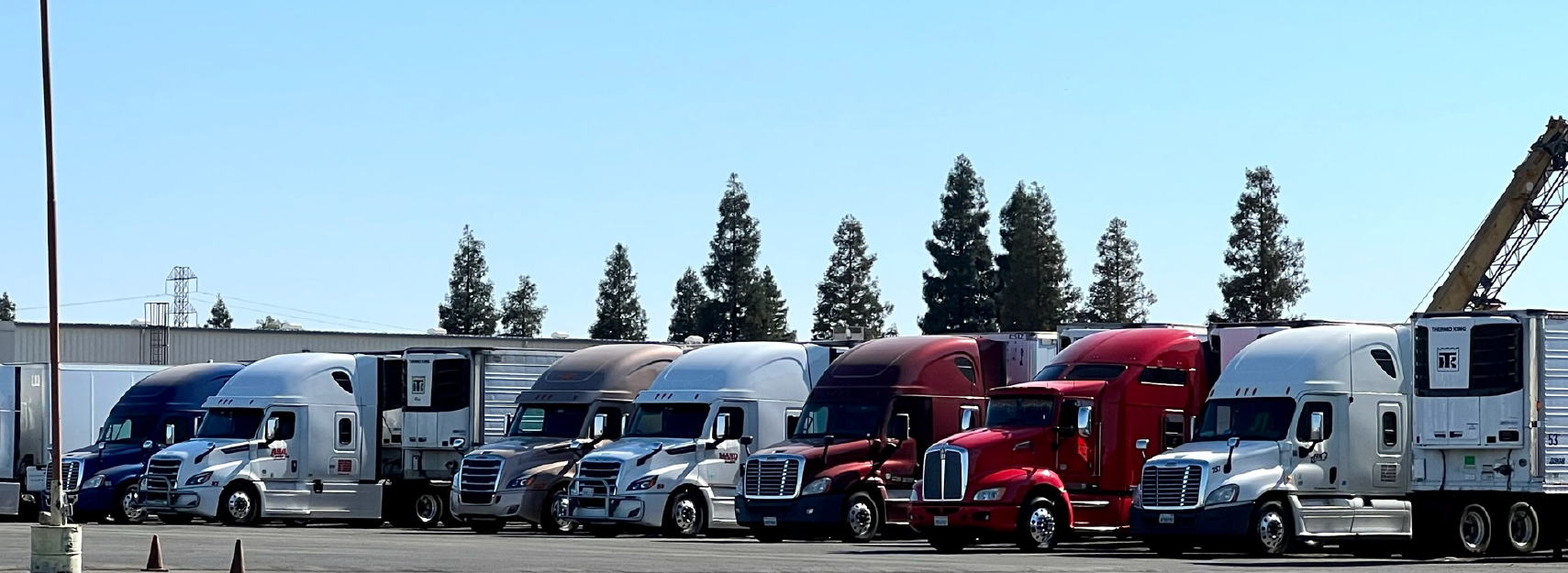
When you manage a fleet, every mile counts. Fuel, maintenance, labor, and unexpected breakdowns constantly pull at your bottom line. While most managers aggressively track fuel economy and schedule preventive maintenance, one critical variable often flies under the radar: your engine oil.
Choosing the right engine oil isn’t just about keeping moving parts slick. The correct formulation cuts internal friction, guards critical engine components, improves fuel efficiency, and drives down your overall cost per mile. For operations running trucks, heavy machinery, or municipal vehicles every single day, those small efficiency gains stack up into massive annual savings.
At Greg’s Petroleum Service, we’ve spent years working alongside the hardworking businesses of Central California. From agriculture and trucking to construction and municipal fleets, we know that keeping equipment on the road isn’t just basic maintenance; it’s the backbone of your productivity.
Understanding Engine Oil Viscosity
Viscosity measures an oil’s resistance to flow at specific temperatures. You’re likely familiar with grades like 15W-40, 10W-30, or 5W-30, but what do those numbers actually mean?
The First Number (e.g., 15W): Followed by “W” (for Winter), this rates cold-start performance. Lower numbers mean easier startup flow in cold weather.
The Second Number (e.g., 40): Indicates how thick the oil remains once the engine hits normal operating temperatures.
Finding the sweet spot is vital. Oil that’s too thick creates drag and wastes energy, while oil that’s too thin can fail to shield vital components under heavy workloads.
The Modern Shift: Today’s commercial diesel engines are engineered for lower-viscosity oils than older equipment. Tighter manufacturing tolerances and advanced lubricant chemistry allow modern fleets to run thinner oils, slashing internal friction without sacrificing engine protection. You can learn more about standard fluid specifications through SAE International.
How Engine Oil Directs Your Cost Per Mile
Fuel is usually the primary focus for lowering fleet expenses, but as detailed in recent fleet management industry research, the right lubricant plays a surprisingly direct role in trimming costs.
- Improved Fuel Efficiency
As internal engine parts slide against one another, they create drag. Lower-viscosity oils reduce this internal fluid resistance. Because the engine doesn’t have to fight against heavy, viscous fluid, it uses less energy, translating to real-world fuel savings.
While a 1% to 2% bump in fuel economy might sound minor on paper, multiply that across an entire fleet logging hundreds of thousands of miles a year, and the dollar savings become substantial.
Note: Efficiency gains should never come at the cost of engine health. Never drop viscosity grades without checking your Original Equipment Manufacturer (OEM) specifications first.
- Maximum Protection, Fewer Repairs
A single catastrophic engine failure can wipe out months of fuel savings in an afternoon. Premium heavy-duty oils contain additive packages engineered to:
- Minimize friction and metallic wear
- Prevent sludge, soot, and deposit build-up
- Fight corrosion and thermal oxidation
- Keep engine interiors clean across the entire drain interval
Clean, well-lubricated engines suffer less wear, extending component lifespans and keeping your equipment out of the shop.
- Eliminating Costly Downtime
The true cost of a breakdown goes way beyond the mechanic’s bill. A down vehicle means delayed deliveries, missed deadlines, idle crews, overtime pay, or expensive rental equipment. For Central Valley agricultural operations, losing a machine during peak harvest can mean lost crops.
Proactive maintenance, combining high-grade lubricants, disciplined drain intervals, and routine health checks, is the cheapest insurance policy a fleet manager can buy.
One Size Does Not Fit All Fleets
Switching to a thinner oil isn’t a silver bullet. A long-haul semi truck faces completely different operational stress than an agricultural tractor pulling through dirt during harvest or a haul truck idling on a dusty construction site.
Key factors that influence your optimal oil selection include:
- OEM design requirements and engine age
- Operating temperatures and ambient weather
- Payload weight and typical engine loads
- Idle time and driving conditions
- Always start with your OEM recommendations before making an operational shift.
Oil Quality Matters as Much as Viscosity
Viscosity is only half the battle; oil quality finishes the job. Modern diesel engines demand heavy-duty formulations designed to control soot accumulation, resist high-temperature breakdown, and maintain structural integrity under brutal workloads.
Using lubricants that meet or exceed API performance standards guarantees your fleet stays dependable, job after job.
Take the Guesswork Out of Maintenance with Fluid Analysis
Even with top-tier oil, regular health monitoring pays off. Fluid analysis gives you a clear window into what’s happening inside your engines long before physical symptoms appear.
By running laboratory tests on used oil samples, maintenance teams can catch:
- Excessive metal wear (bearing, ring, or valve wear)
- Contamination (coolant leaks, fuel dilution, or dirt ingress)
- Thermal breakdown of the oil itself
Instead of relying strictly on mileage or engine hours, oil analysis lets you schedule maintenance based on actual operational condition.
Key Benefits of Oil Analysis:
- Catch minor issues before they turn into major repairs
- Avoid premature oil drains
- Safely extend equipment lifespan
- Improve overall fleet reliability
Practical Checklist for Fleet Managers
Ready to optimize your fleet’s lubrication program? Keep these core rules in mind:
- Follow OEM Guidelines: Use recommended viscosity grades and performance specs as your baseline.
- Look Beyond Viscosity: Ensure the additive pack fits your operating conditions (high heat, high dust, heavy idling).
- Invest in Quality: Premium lubricants pay for themselves through extended component life and better protection.
- Enforce Schedules: Don’t skip oil drains or filter replacements.
- Implement Oil Sampling: Use routine oil analysis to monitor engine wear trends proactively.
Every Mile Counts
Fleet operating costs are influenced by countless decisions, from route planning and preventive maintenance to fleet fueling management and driver performance. Choosing the right engine oil may seem like a small detail, but over thousands of miles, it has a massive impact on efficiency, equipment protection, and your bottom line.
At Greg’s Petroleum Service, we’re proud to support the hardworking businesses that keep Central California moving. Whether you need high-performance fuels, premium lubricants, or expert advice on tailoring a fluid maintenance schedule for your equipment, our team is here to help.
Ready to lower your fleet’s operating costs? Explore our commercial petroleum services or contact the team at Greg’s Petroleum Service today to speak directly with a local lubrication specialist.