
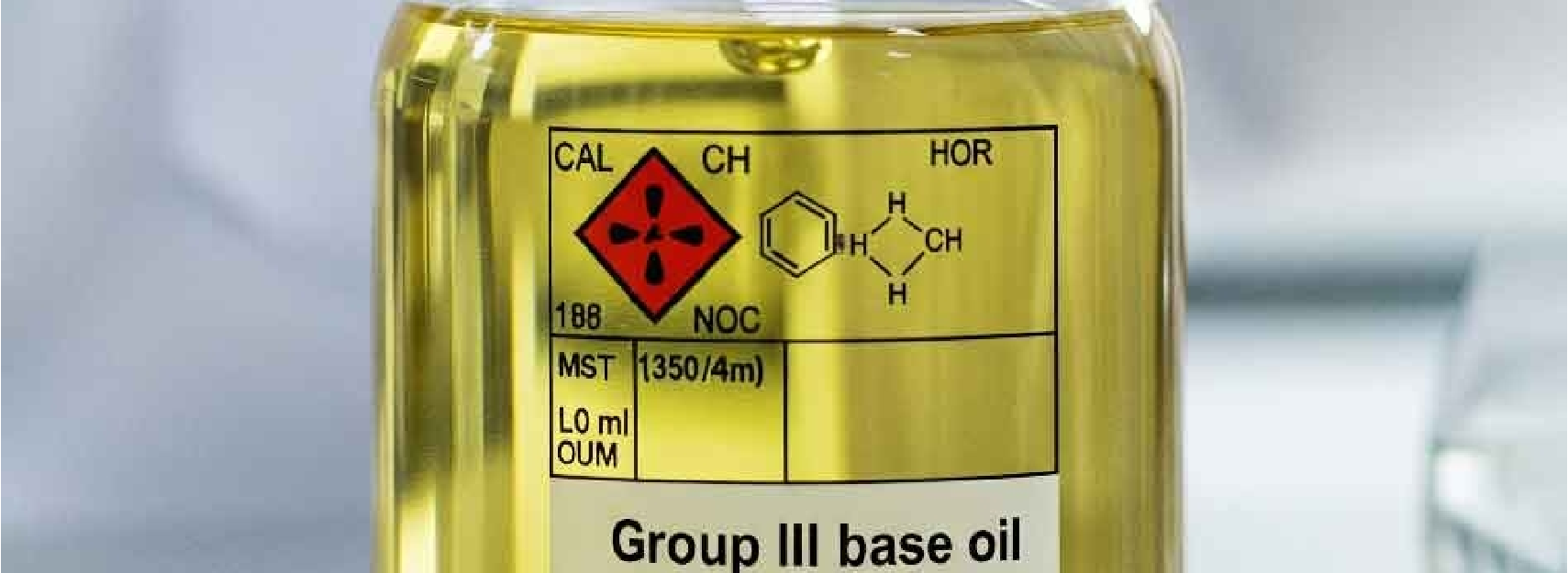
When you manage a business that depends on trucks, heavy equipment, or industrial machinery, lubricant costs are just one part of a much larger operating budget. You need the right products to protect your equipment, keep maintenance schedules on track, and avoid unnecessary downtime. But when the cost of the materials used to manufacture lubricants changes, it can affect more than the price of a single pail or drum of oil.
Recent disruptions in the global base oil market have created new challenges for lubricant manufacturers and suppliers. In its July 2026 report, Jobbers World examined how rising Group III base oil costs were affecting lubricant manufacturers, pricing, and margins. Additional industry reporting has highlighted the continued effects of supply constraints and higher replacement costs.
For businesses across Central California, understanding what drives lubricant pricing can help with purchasing decisions, inventory planning, and budgeting. As a local, family-owned fuel and lubricant supplier, Greg’s Petroleum Service believes that keeping customers informed is an important part of helping them manage their operations.
What Is Group III Base Oil?
To understand why Group III base oil costs matter, it helps to know how lubricants are made.
Base stocks are the building blocks of lubricants. Manufacturers combine them with carefully selected additives to create finished products designed for specific applications. The base stocks influence characteristics such as viscosity, temperature performance, and oxidation stability, while additives help provide additional protection and performance benefits.
The American Petroleum Institute (API) classifies base stocks into five main groups based on their properties and composition. Group III base stocks are highly refined and have a high viscosity index, which describes how much an oil’s viscosity changes as its temperature changes.
These properties make Group III base stocks useful in many high-performance lubricant formulations, including certain synthetic engine oils. They are particularly relevant to products designed to meet demanding performance requirements.
According to ExxonMobil’s base stock guide, Group III base stocks have a high viscosity index and strong oxidation stability compared with Group II base stocks
However, Group III base oil is not used in every lubricant, and finished products can contain different combinations of base stocks and additives. This distinction matters because a change in the cost of one type of base oil will not necessarily affect every lubricant in the same way.
Why Are Group III Base Oil Costs Changing?
Base oil pricing is influenced by several factors, including supply and demand, production capacity, transportation, and the availability of raw materials.
Group III base oils are part of an international supply chain. When production or transportation is disrupted in a major supplying region, manufacturers may have fewer options for obtaining the grades and volumes they need. Alternative sources can help fill the gap, but they may not replace the lost supply immediately.
This matters especially when manufacturers need specific base stock properties to produce lubricants that meet established performance requirements. Switching to a different base stock isn’t always as simple as substituting one ingredient for another. Formulations may require evaluation and testing before an alternative can be used.
Recent reporting from Argus Media has described tightening base oil supplies and rising costs in the U.S. market, with Group III experiencing particularly significant pressure.
The effects can continue even after an initial supply disruption begins to ease. Manufacturers may have inventory purchased at earlier prices, while replacement supplies may cost substantially more. Contract terms, shipping schedules, and the availability of alternative materials can also influence how quickly those changes affect production costs.
For lubricant buyers, the result is a market in which pricing and availability may change at different times. A product that remains available may still become more expensive, while another product may face longer lead times or tighter supply.
How Base Oil Costs Affect Finished Lubricant Pricing
Base oil is an important component of many lubricants, but it is not the only factor that determines the final price.
Finished lubricants also involve additives, blending, packaging, transportation, and distribution. Manufacturers must account for these expenses when determining the cost of producing and supplying their products.
When the price of a key base oil rises, lubricant manufacturers must decide how to manage the additional expense. Depending on the product and market conditions, they may absorb part of the increase, adjust pricing, or make changes to their purchasing and production plans.
For customers, this means a change in base oil costs may eventually affect the price of certain finished lubricants. However, the timing and size of any adjustment can vary by product, manufacturer, and supplier.
For example, a premium synthetic engine oil formulated with Group III base stocks may face different cost pressures than a conventional lubricant made with a different base stock combination. Even products within the same general category can have different formulations and supply requirements.
It is also important to remember that a percentage increase in base oil costs does not translate directly into the same percentage increase in the finished product’s price. Base oil represents only part of the overall formulation and production cost.
For fleet managers, maintenance supervisors, agricultural operations, and industrial businesses, the practical takeaway is simple: understanding the factors behind lubricant pricing can help you plan for potential changes instead of reacting to them after they affect your budget.
What Businesses Can Do to Manage Lubricant Costs
Businesses cannot control global base oil markets, but they can take steps to make lubricant purchasing more predictable and reduce avoidable expenses.
- Review Your Lubricant Inventory
Start by evaluating the lubricants your operation uses regularly, how quickly each product is consumed, and how much inventory you currently have available.
Knowing your typical usage patterns can help you anticipate replenishment needs and identify products that may require closer monitoring. It also gives you a better starting point for conversations with your supplier about availability and purchasing schedules.
The goal is not to stockpile products whenever prices change. Excess inventory ties up working capital and requires appropriate storage, while insufficient inventory can leave equipment waiting for the supplies needed to complete scheduled maintenance.
A balanced inventory plan helps you maintain access to essential products without purchasing more than your operation reasonably needs.
- Plan Purchases Around Actual Usage
When lubricant prices are changing, it may be tempting to purchase a large quantity before another potential increase. However, buying more than you can use within a reasonable period can create other challenges, including storage requirements, cash-flow pressure, and the risk of holding products you no longer need.
Instead, review upcoming maintenance schedules, seasonal demands, and historical usage to estimate future requirements.
For example, agricultural businesses may see predictable increases in equipment use during planting and harvest seasons. Construction companies may need to account for equipment assigned to upcoming projects, while trucking fleets can use mileage and maintenance records to estimate lubricant demand.
These insights can help you make informed purchasing decisions based on operational needs rather than reacting to market headlines alone.
- Avoid Changing Products Based on Price Alone
When a lubricant becomes more expensive, switching to a lower-priced alternative may seem like an easy way to reduce costs. However, the lowest purchase price doesn’t always mean the best value for your equipment.
Lubricants are formulated to meet particular performance requirements. Using a product that does not meet the equipment manufacturer’s specifications can compromise protection and create maintenance problems that outweigh any initial savings.
Before making a change, verify the required specifications, viscosity grade, and applicable manufacturer approvals. If you are considering an alternative product, work with a knowledgeable supplier to determine whether it is appropriate for the application.
A lower-priced lubricant that meets the required specifications may be worth evaluating, but base the decision on suitability and total operating costs rather than price alone.
- Look for Opportunities to Improve Inventory Management
Lubricant expenses involve more than the cost of individual products. Inconsistent inventory management can lead to emergency orders, unnecessary trips to obtain supplies, and disruptions to scheduled maintenance.
Review how lubricants are ordered, stored, and distributed throughout your operation. Determine whether certain products are frequently overstocked while others run low, and consider whether a more consistent ordering schedule would help.
Proper storage and handling also matter. Store lubricants under appropriate conditions and protect them from contamination to preserve their quality. Buying a product at a favorable price offers little benefit if improper storage makes it unusable before it reaches your equipment.
Improving these processes can help your business control avoidable expenses without compromising equipment protection.
- Maintain Communication With Your Supplier
When market conditions change, your lubricant supplier can be a key source of information on product availability, purchasing schedules, and potential price adjustments.
Regular communication helps you understand which products may be affected, whether expected delivery times will change, and what options are available for your operation.
A supplier familiar with your equipment, usage patterns, and storage needs may also help you organize orders and maintain appropriate inventory levels.
Rather than waiting until a critical product is running low, discuss your upcoming needs and any concerns about availability in advance. That conversation can help you plan around maintenance requirements and make purchasing decisions with more information.
Why a Long-Term Supply Strategy Matters
Base oil markets respond to changes in production, demand, transportation, and global supply conditions. Individual price movements can be hard to predict, and not every market change affects every finished lubricant equally.
For businesses that rely on lubricants every day, the best response is to maintain a purchasing strategy that accounts for both market conditions and operational needs.
That means understanding which products are essential, monitoring inventory, planning routine maintenance, and carefully evaluating alternatives when necessary. It also means recognizing that supplier reliability, product quality, and access to knowledgeable support matter alongside price.
At Greg’s Petroleum Service, your trusted lubricants supplier, we understand that our customers need more than a delivery of fuel or lubricants. They need dependable products and service that support their day-to-day operations. As a local, family-owned supplier serving Central California for more than 60 years, we work to help businesses find practical solutions for their fuel, lubricant, and equipment needs.
If you have questions about lubricant availability, purchasing plans, or the right products for your operation, contact us to speak with our team about fuel and lubricant solutions for your business.