
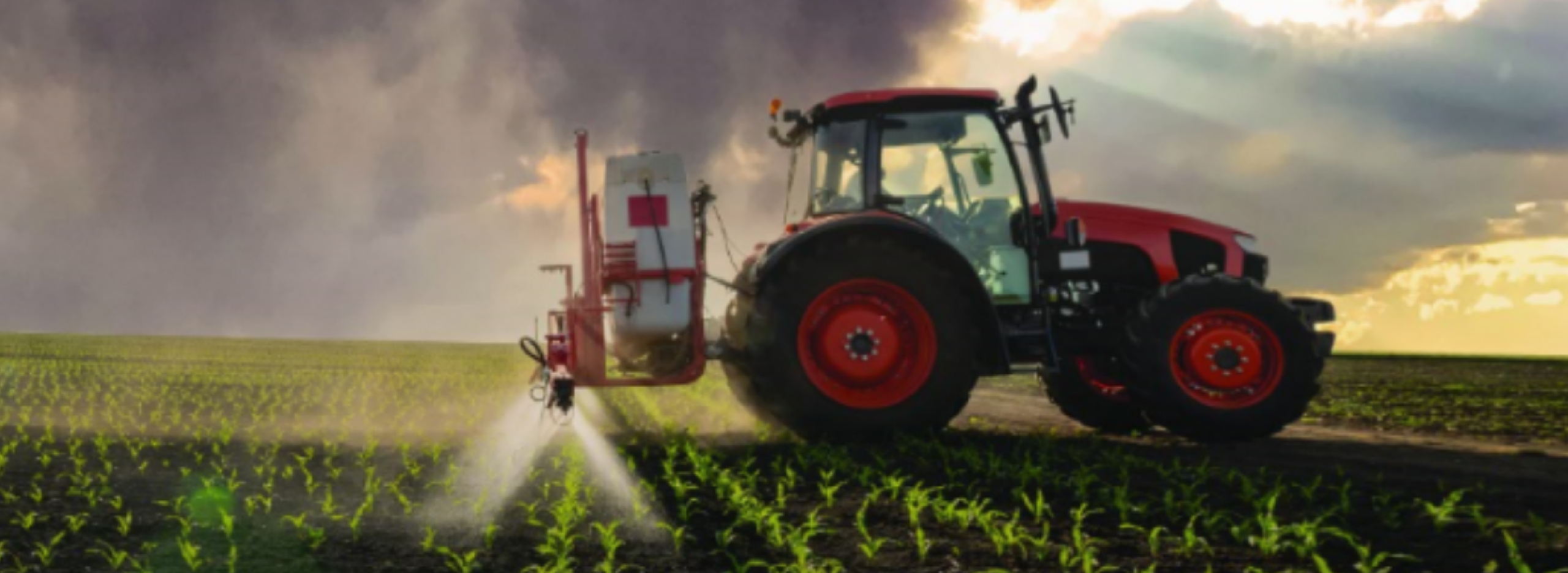
In agriculture, downtime is never convenient. When planting, irrigating, spraying, or harvesting needs to get done, equipment has to work reliably day after day, often in extreme conditions. Today’s farming equipment is more advanced and more expensive than ever before, which means proper maintenance is no longer optional. It is essential to protect your operation, your schedule, and your bottom line.
One of the most important, yet often overlooked, parts of equipment maintenance is lubrication. Modern tractors, harvesters, sprayers, and irrigation systems depend on specialized lubricants to handle heavy workloads, high temperatures, dust, moisture, and long operating hours. Using the right lubricants can help prevent breakdowns, reduce wear, improve efficiency, and extend the life of valuable equipment.
As farming equipment continues to evolve, so does lubrication.
Farming Equipment Has Changed Dramatically
Agricultural equipment today is not the same machinery that many farms used twenty or thirty years ago. Modern equipment is larger, more powerful, and far more technologically advanced. Engines operate at higher pressures and temperatures. Hydraulic systems are more sophisticated. Many machines now rely on precision agriculture technology, advanced transmissions, emissions systems, and computerized controls. All of this innovation helps farms operate more efficiently, but it also means equipment components are under more stress than ever before.
Modern farming equipment works long hours under demanding conditions. Central California farmers know firsthand what heat, dust, and heavy fieldwork can do to machinery. During peak seasons, equipment may run for extended periods with very little downtime. In these conditions, standard lubricants may not provide the level of protection required for today’s equipment. That is why specialized lubricants matter.
According to Valvoline Global, modern agricultural lubricants are specifically designed to handle extreme temperatures, contamination, heavy loads, and high-performance demands while helping reduce wear and maintain efficiency.
Why Lubrication Matters More Than Ever
Lubricants do much more than simply reduce friction. In modern farming equipment, they perform several critical functions at once.
Quality lubricants help:
- Reduce wear on moving parts
- Prevent overheating
- Protect against rust and corrosion
- Carry away contaminants
- Improve fuel efficiency
- Support hydraulic performance
- Extend equipment life
Without proper lubrication, components can wear down much faster. Heat builds up. Dirt and debris create additional friction. Eventually, that can lead to expensive repairs or unexpected failures during critical times of the season.
For farms operating on tight schedules, a breakdown during harvesting or planting can create serious setbacks. Lost time in the field often results in lost productivity and revenue.
That is why choosing the right lubricant is not just a maintenance decision. It is an operational decision.
Different Equipment Requires Different Lubricants
Not every piece of equipment requires the same type of lubricant. Different systems are designed for different operating conditions and performance requirements.
For example:
- Diesel engines require engine oils designed to handle soot, heat, and long operating intervals.
- Hydraulic systems need fluids that maintain performance under pressure and temperature swings.
- Gearboxes and transmissions require lubricants that protect against heavy loads and metal-to-metal contact.
- Greases used in bearings and joints must withstand moisture, dust, and vibration.
Using the wrong product or lower-quality lubricants to save money upfront can sometimes lead to higher costs later.
For example, hydraulic systems are especially sensitive in modern equipment. Contaminated or incorrect hydraulic fluid can reduce efficiency, damage seals, and lead to costly repairs. Similarly, engines operating in high-heat agricultural environments need oils that maintain viscosity and protection even during long operating hours.
Every operation is different, which is why it helps to work with fuel and lubricant suppliers who understand the industries they serve.
Farming Conditions Are Tough on Equipment
Agricultural equipment does not operate in controlled environments. It operates in dirt, dust, heat, mud, and changing weather conditions.
In Central California, summer temperatures can place additional stress on engines and hydraulic systems. Dust from fieldwork can contaminate equipment if systems are not properly maintained. Heavy towing, hauling, and field operations also create constant strain on moving parts.
Specialized lubricants are designed to perform under these harsh conditions.
Many modern lubricants contain additives that help:
- Resist thermal breakdown in high temperatures
- Prevent oxidation
- Protect against wear under heavy loads
- Reduce sludge and deposits
- Improve performance in wet or dusty environments
These protections become especially important during peak farming seasons when equipment may run from early morning until late at night with very little rest. For hardworking operations, reliability matters.
Preventive Maintenance Saves Time and Money
It is easy to think about lubrication only during oil changes or routine service intervals, but proactive maintenance often helps prevent larger problems before they start.
Preventive maintenance can help farms:
- Reduce unexpected downtime
- Catch small issues before they become major repairs
- Improve equipment efficiency
- Extend machinery lifespan
- Lower long-term operating costs
Equipment today represents a major investment. Replacing or repairing large agricultural machinery is expensive, and downtime during busy seasons can affect productivity across an entire operation.
Consistent lubrication schedules, fluid analysis, and proper product selection can all help keep equipment operating reliably.
Many farms are also seeking ways to extend the lifespan of existing equipment rather than replacing machinery prematurely. Proper lubrication is one of the simplest and most cost-effective ways to protect that investment.
The Value of Working with a Trusted Local Supplier
For many farming operations, fuel and lubricant needs are not one-size-fits-all. Different equipment, workloads, and operating conditions require different solutions. That is why working with a knowledgeable local supplier matters.
At Greg’s Petro, we understand the demands local farms face because we work alongside the agricultural community every day. Agriculture is built on hard work, long hours, and dependable equipment. When something breaks down in the middle of a busy season, it affects everything.
Our team works with farms, trucking operations, and industrial businesses throughout Central California to provide fuel and lubricant solutions designed for real-world working conditions. From diesel and bulk fuel delivery to lubricants for heavy-duty agricultural equipment, we help businesses stay prepared and keep operations moving.
Reliable products matter, but so does reliable service. When you work in industries where schedules depend on weather, harvest windows, and equipment performance, having dependable support makes a difference.
Modern Equipment Requires a Modern Maintenance Strategy
As farming equipment continues to advance, maintenance practices must evolve alongside it. Today’s machinery is designed for higher efficiency and performance, but it also requires greater attention to lubrication, fluid quality, and preventive care.
The right lubricants help protect engines, hydraulic systems, transmissions, and other critical components from the wear and stress of demanding agricultural work. They help reduce downtime, improve reliability, and support the long-term performance of valuable equipment.
For farms across Central California, and as your lubricants supplier, every hour in the field matters. Equipment needs to perform when it is needed most.
That is why specialized lubricants are no longer just another maintenance item. They are an important part of keeping modern farming operations productive, efficient, and ready for the work ahead.